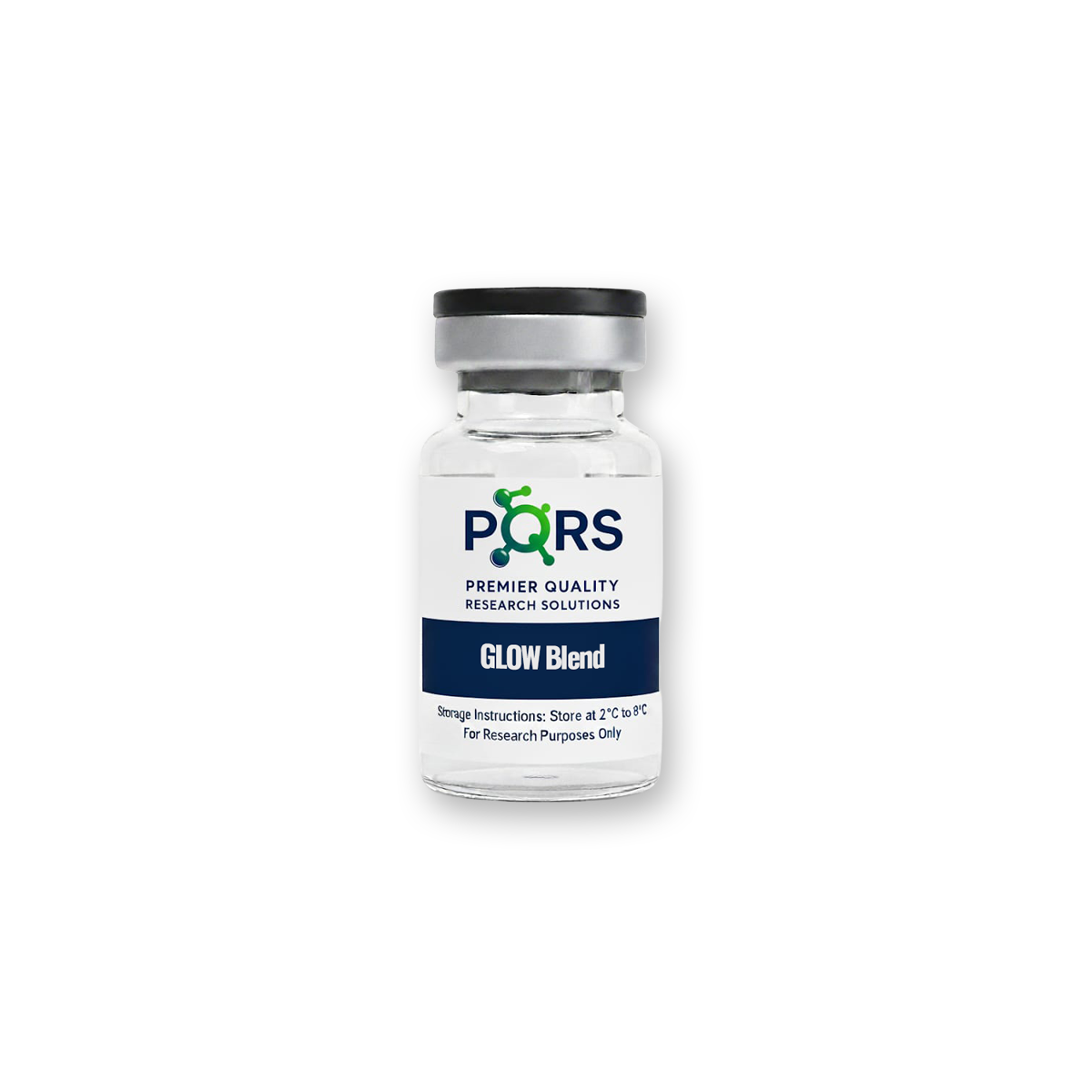
What Is the GLOW Blend?
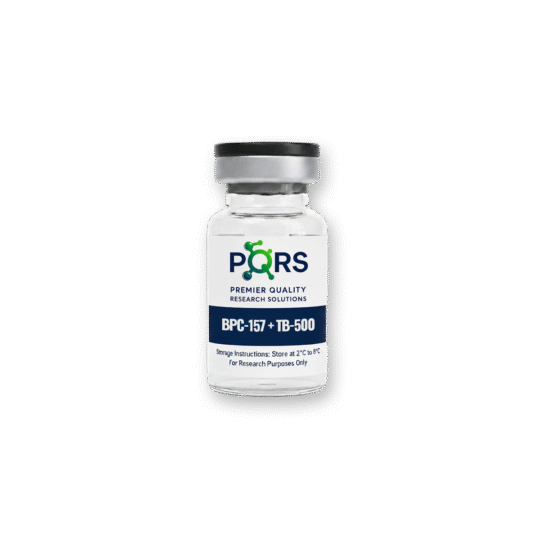
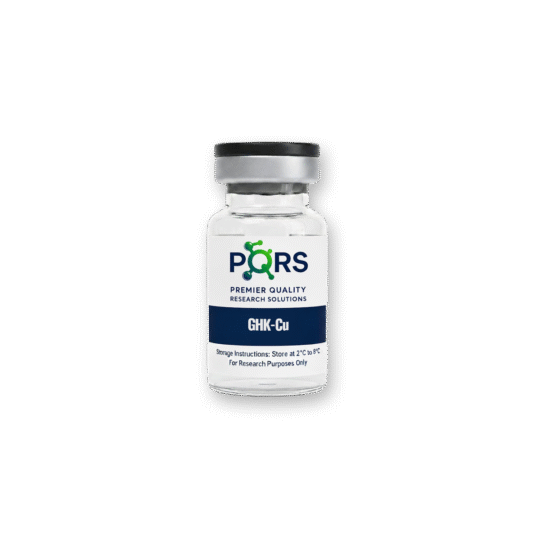
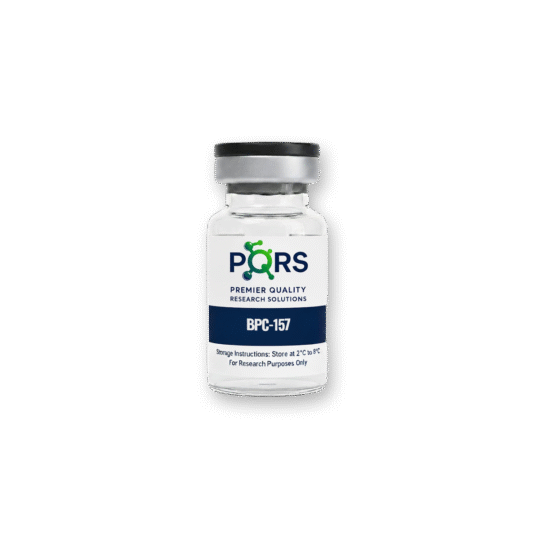
The GLOW Blend is a laboratory research formulation containing three distinct peptide-related components: BPC-157, GHK-Cu, and TB-500. The formulation provides an experimental model for studying peptide-associated cellular signaling, copper-peptide chemistry, endothelial biology, extracellular-matrix pathways, cytoskeletal processes, and molecular interactions within a combined system.
PQRS supplies the GLOW Blend strictly as a laboratory research material. It is not intended for human or veterinary use.
Components of the GLOW Blend
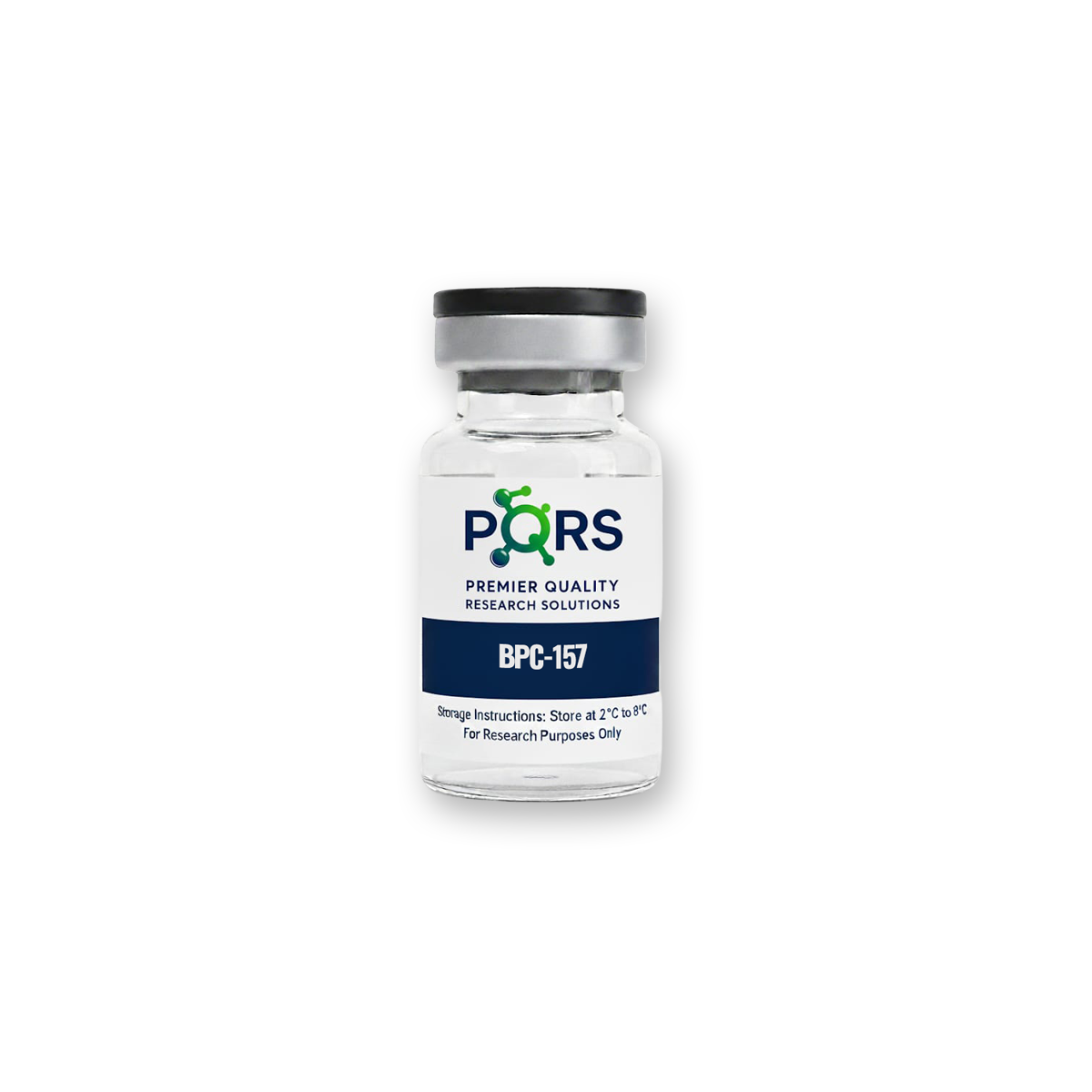

TB-500 / Thymosin Beta-4 component: Full-length thymosin beta-4 is referenced for this formulation. The previously displayed TB-500 structure image is omitted because its molecular identity has not been independently verified.
Component 3 Reference: Thymosin Beta-4, PubChem CID 16132341.
Structural Representation
This product is a multi-component peptide formulation and therefore is not appropriately represented by a single molecular structure. Component-level structural references may be used for individual ingredients, but no single three-dimensional model accurately represents the complete blend.
Component Structural References
This formulation contains multiple independently defined components. The structural references below apply to the individual components separately and should not be interpreted as a single combined molecular structure for the blend.
- BPC-157 – individual component identity and structural reference
- GHK-Cu – individual component identity and structural reference
- TB-500 – individual component identity and structural reference
Research Context
BPC-157 has been investigated in laboratory systems involving peptide signaling, endothelial biology, nitric-oxide-associated pathways, and cellular responses to experimental conditions. GHK-Cu is studied in research involving copper-peptide coordination, extracellular-matrix signaling, metalloproteinase activity, and related cellular pathways. TB-500 is associated with research involving actin regulation, cytoskeletal organization, cell migration, and other cellular processes.
The combined formulation allows researchers to examine how these distinct molecular systems behave within the same experimental framework. Studies may focus on signaling interactions, copper coordination, extracellular-matrix biology, cytoskeletal dynamics, endothelial responses, and differences between individual-component and combined models.
Laboratory Research Applications
- Cellular signaling: Investigation of signaling pathways associated with the individual components.
- Copper-peptide biology: Examination of GHK-Cu coordination chemistry and copper-associated molecular interactions.
- Extracellular-matrix research: Study of matrix-associated signaling, metalloproteinase activity, and related cellular processes.
- Cytoskeletal research: Examination of actin-associated processes, cell migration, and cellular organization.
- Comparative blend research: Evaluation of component-specific and combined molecular behavior in controlled laboratory systems.
Handling and Reconstitution
Handle this lyophilized research blend using appropriate laboratory personal protective equipment and aseptic technique. Store according to the conditions specified on the product label and accompanying documentation. When preparation of a research solution is required, use an appropriate laboratory solvent and validated experimental procedure.
Chemical Profile
This formulation contains multiple distinct components rather than a single chemical species. Refer to the individual BPC-157, GHK-Cu, and TB-500 records for component-specific structural and molecular information.
For Research Use Only. Not intended for human or veterinary use.